
Eastern Rhodopes – Birdwatching, wildlife and Nature
by Crossbill Guides
The Eastern Rhodopes are one of Europe’s great wildlife destinations. This low, dry and remarkably wild part of the Rhodope Mountains in southern Bulgaria combines rugged volcanic hills, cliffs and river valleys with open oak woodland, scrub, grasslands and small-scale farmland. The result is an exceptionally rich blend of European and Mediterranean wildlife, with many ‘pontic’ species mixed in. Pontic refers to the near-east steppe region.
For birdwatchers, the Eastern Rhodopes are best known for their vultures and other birds of prey. Griffon, Egyptian and Cinereous Vultures can all be seen here, together with eagles, Black Storks and a rich variety of southern European birds. But the region has much more to offer. Its hills are rich in orchids and other wildflowers, butterflies abound in spring and early summer, and tortoises, snakes and lizards are conspicuous elements of the fauna. Wolves, Golden Jackals and other mammals still inhabit the quieter parts of the mountains.
The small town of Madzharovo, situated in a spectacular bend of the Arda River, makes an excellent base from which to explore the region. Much of the Eastern Rhodopes remains remote and sparsely populated, but a growing network of nature tourism initiatives makes its wildlife surprisingly accessible.
On this page, Crossbill Guides introduces the landscapes and ecosystems of the Eastern Rhodopes, its birds, mammals, reptiles, butterflies and wildflowers, and the best places and seasons to explore them.
The Rhodope Mountins in southern Bulgaria are perhaps the most recently ‘discovered’ wildlife destination in Europe. This remote and wild part of the country still remains little visited. Many parts are difficult to explore due to the lack of roads and trails, but a small, young, and very friendly community of ecotourism enterprises centered around Madzharovo makes a visit to this region really easy, even for the individual traveler.
The Rhodopes are a long east-west mountain chain that forms the border between Bulgaria and Greece. The western part is much higher than the eastern, which is rocky and has a distinct Mediterranean-continental climate. At first glance, the Eastern Rhodopes looks like a wild version of southern France or Spain – a mixture of cliffs, scrub, flowery grasslands and woodlands, riddled with beautiful rivers. Ecologically however, its position on the edge of the Mediterranean and steppe biomes of the Near East means that it boasts a very high diversity of (for West Europeans) very exotic species. The birdlife is magnificent, but so are the plants, the insects and wildflowers.
Landscape of the Eastern Rhodopes
Landscape and habitats of the Eastern Rhodopes?
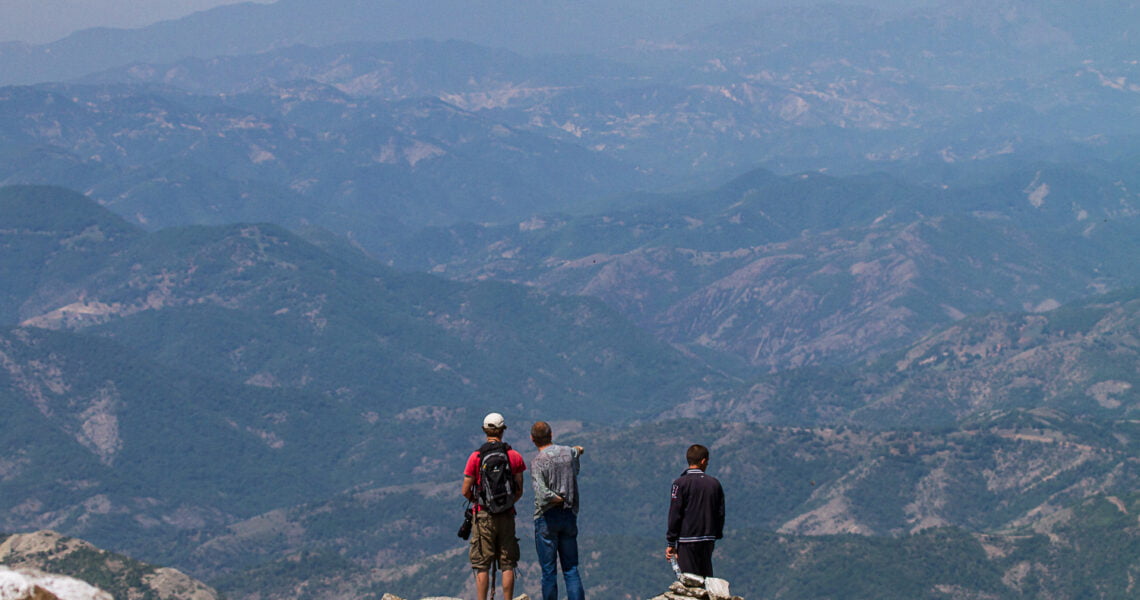
The Rhodope Mountains form a long mountain chain across southern Bulgaria and northern Greece. Their eastern part is very different from the higher, wetter and more densely forested Western Rhodopes. Towards the east, the mountains become lower, warmer and drier, gradually giving way to the lowlands of the Maritsa Valley.
This position is one of the keys to the extraordinary biodiversity of the Eastern Rhodopes. Central European, Mediterranean and more easterly species meet here. Dry, south-facing hills can have a distinctly Mediterranean character, while cooler slopes and higher ground support forests and species more typical of central European mountains.
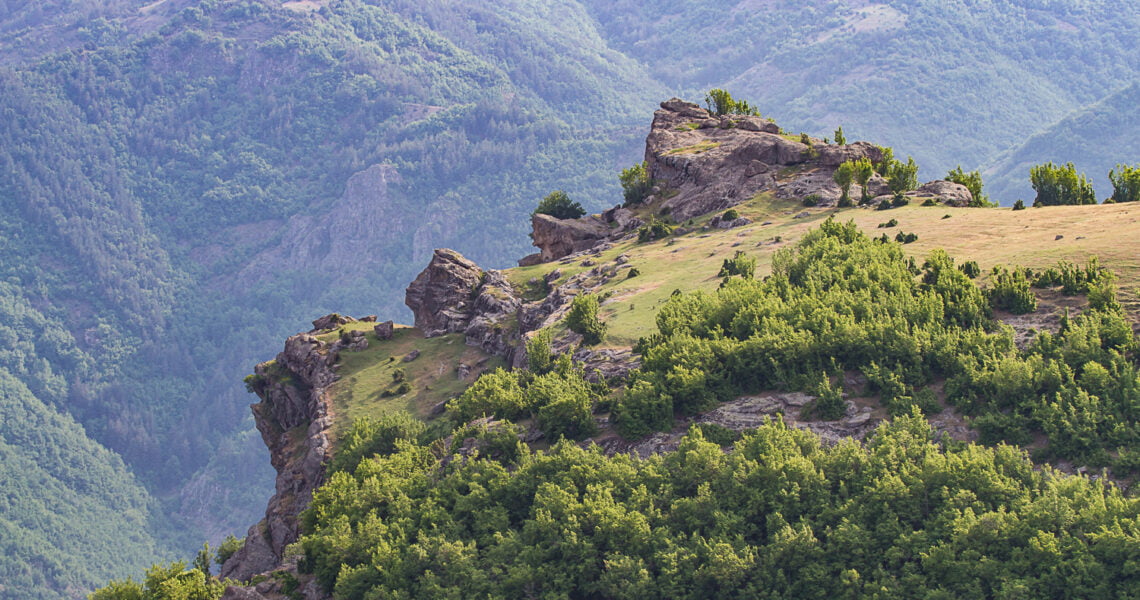
The landscape itself is equally varied. The Arda River and its tributaries have cut deeply into the mountains, creating a succession of valleys, rocky gorges and cliffs. Volcanic rocks are widespread and in places form spectacular rock faces, such as those around Madzharovo. Elsewhere there are rolling hills covered by a mosaic of grassland, scrub, open woodland and traditional farmland.
Steppes
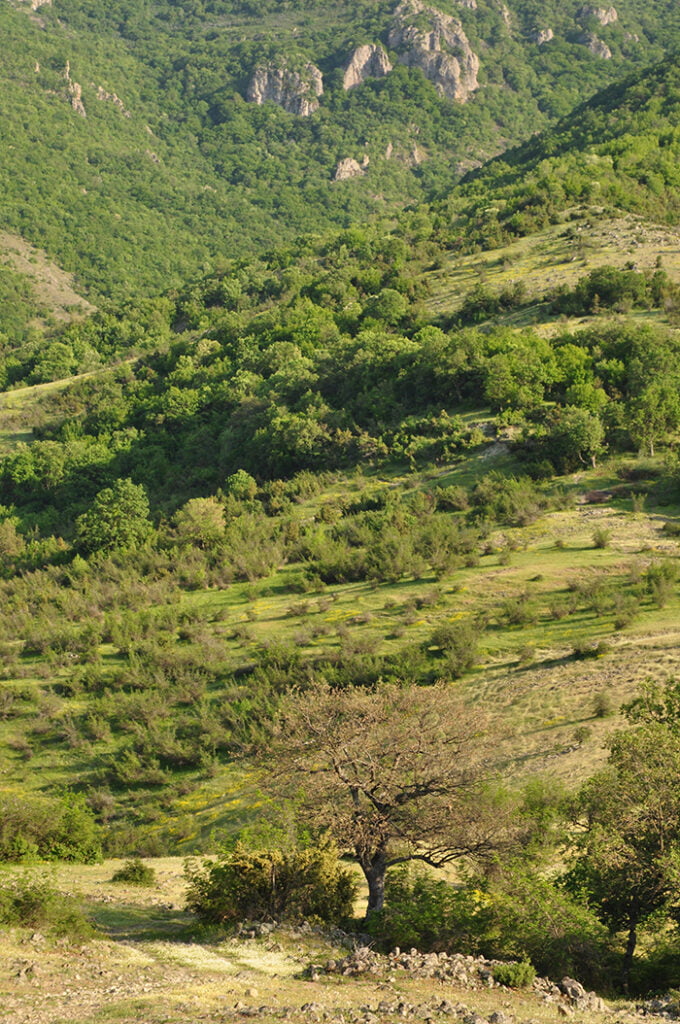
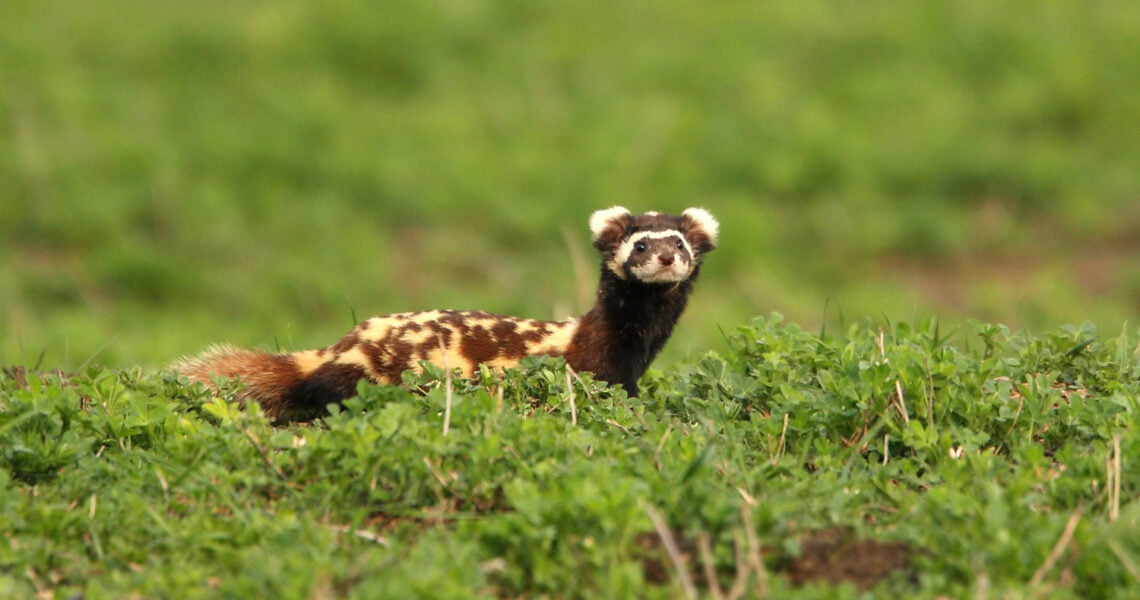
The larger areas of steppes are found in the eastern part of the region, especially in the Sakar mountains. The winter cold and summer heat make tree growth difficult, except along water courses. In rocky places, the grasslands are mixed with shrubs, but where the soil is deeper, the ‘true steppes’ occur. The keystone animal here is the Suslik, an adorable ground squirrel that makes elaborate underground burrows. It is the favourite prey of a large number of predators, such as the Eastern Imperial Eagle and the Marbled Polecat. Many of the most sought-after birds inhabit the steppes: Roller, Isabelline Wheatear and Calandra Lark for example.

Scrub and open woodland
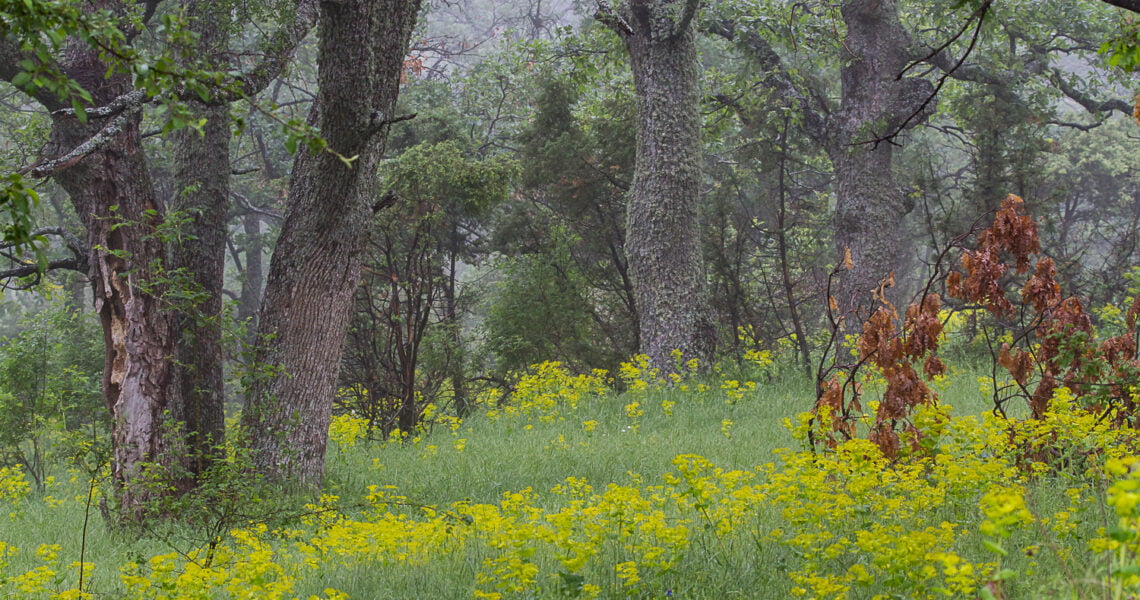
Much of the characteristic landscape of the Eastern Rhodopes is neither closed forest nor completely open steppe. Instead, it consists of a patchwork of dry grasslands, thorny scrub, scattered trees, small fields and open oak woodland.
This mosaic is tremendously important for wildlife. Flower-rich grasslands support butterflies, grasshoppers and other insects, while shrubs provide nesting sites for warblers (with rarities like Olive-tree Warbler, Eastern Orphean Warbler and Eastern Subalpine Warbler) and shrike (with Red-backed Shrike being very common and Lesser Grey Shrike, Woodchat Shrike and Masked Shrike being more localised). Open areas are hunting grounds for eagles and other birds of prey, including large numbers of Eastern Imperial Eagle in Sakar Mountains. Hermann’s and Spur-thighed Tortoises wander through this warm, dry landscape, while lizards and snakes are particularly diverse.
Traditional grazing has played an important role in creating and maintaining these open habitats. Where grazing disappears, scrub and eventually woodland return. Maintaining a varied landscape of grassland, scrub and forest is therefore important for much of the characteristic wildlife of the Eastern Rhodopes.

Rivers and wetlands
The Arda River is the ecological backbone of the Eastern Rhodopes. Its valley cuts through the mountains from west to east and combines riverside woodland with enormous cliffs, rocky slopes and reservoirs.
These cliffs provide nesting sites for some of the region’s most famous birds. Griffon and Egyptian Vultures, Black Storks, Golden Eagles and Peregrine Falcons are among the species associated with the rocky valleys. Rock Nuthatch, Blue Rock Thrush and Eastern Black-eared Wheatear are characteristic smaller birds.
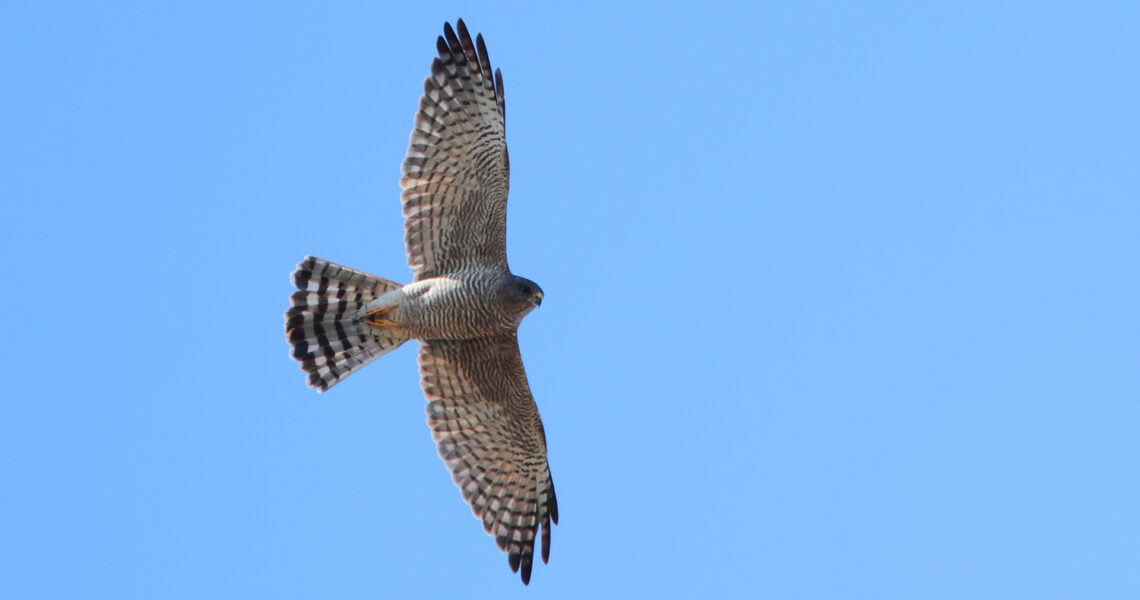
The river itself and the large reservoirs add a completely different range of habitats. Riparian forests fringe stretches of the Arda and its tributaries, while quiet bays and wetlands around the reservoirs attract waterbirds and provide habitat for amphibians, dragonflies and other aquatic wildlife. Locally, there are breeding colonies of Night Herons and Pygmy Cormorants. Little Bitterns breed in the reedbeds, both White and Dalmatian Pelicans occur on passage. Levant Sparrowhawk prefers the riparian forest.

Beech forests
The beech forests take a secondary position in the western Rhodopes. As they need a damp environment, the beech does well in the higher and rainier western Rhodopes, but here in the east they are limited to the higher and steeper north slopes.
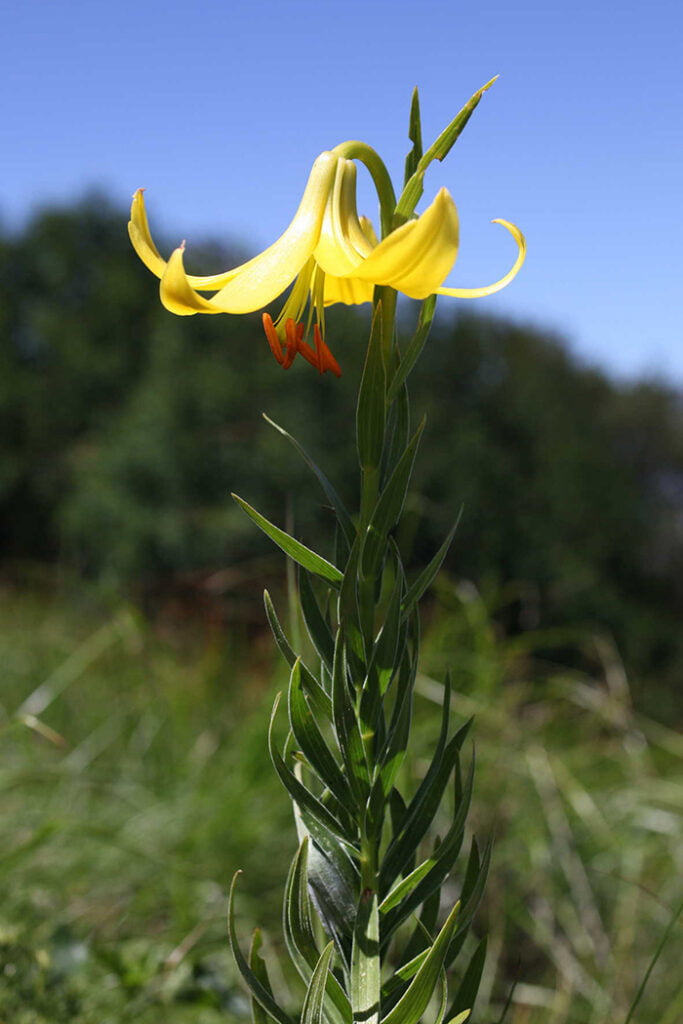
Beech forests support many wildflowers and insects that are present elsewhere in Europe, such as Black, Grey-headed and White-backed Woodpeckers. They are also the site for the endemic, yellow-flowered Rhodope Lily.
Rewilding Rhodopes
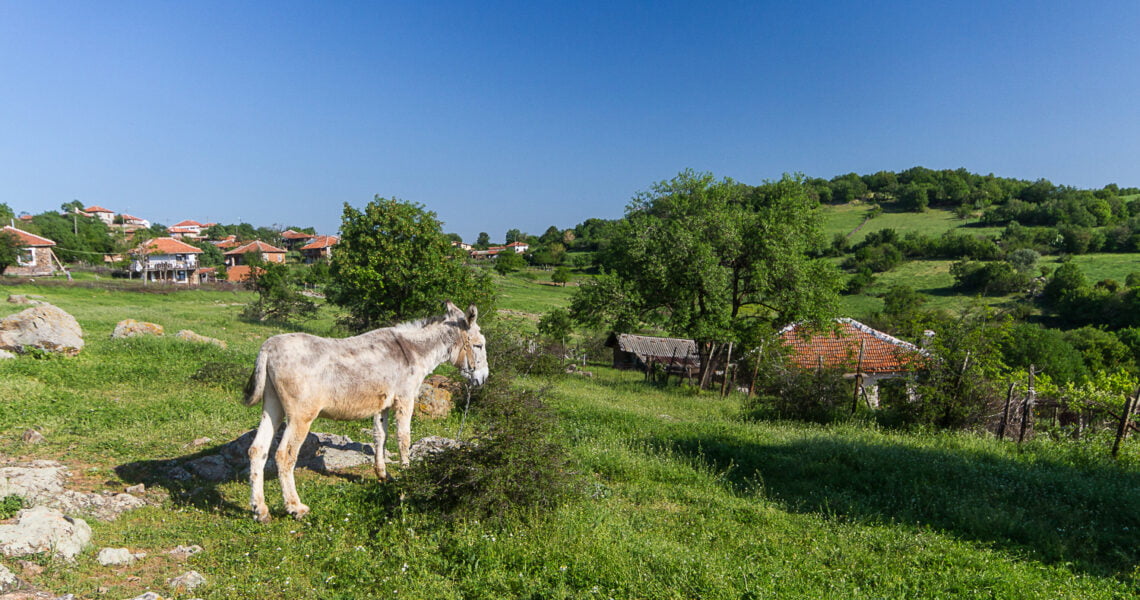
In recent years, people are moving out of the mountains. Tending sheep is becoming an increasingly unattractive means of living. In an attempt to bring back biodiversity and increase ecotourism as a viable and sustainable economic model for the local people, the Rhodopes are being ‘rewilded’. Native grazing animals that have disappeared, such as European Bison, Red Deer and semi-wild Konik horses were brought back to the mountains, where they maintain the grasslands, are food for the wild predators and add to the tourism potential of the region.
The naturalist top 10
Ten highlights of your visit to the Eastern Rhodopes.
The vulture cliffs near Madzharovo offers first class views of Griffon and Egyptian Vultures, Black Storks, Black-eared Wheatears, various eagles and many other birds.

Take a trip into the mountains and enjoy the wild landscapes, the small villages and friendly people.

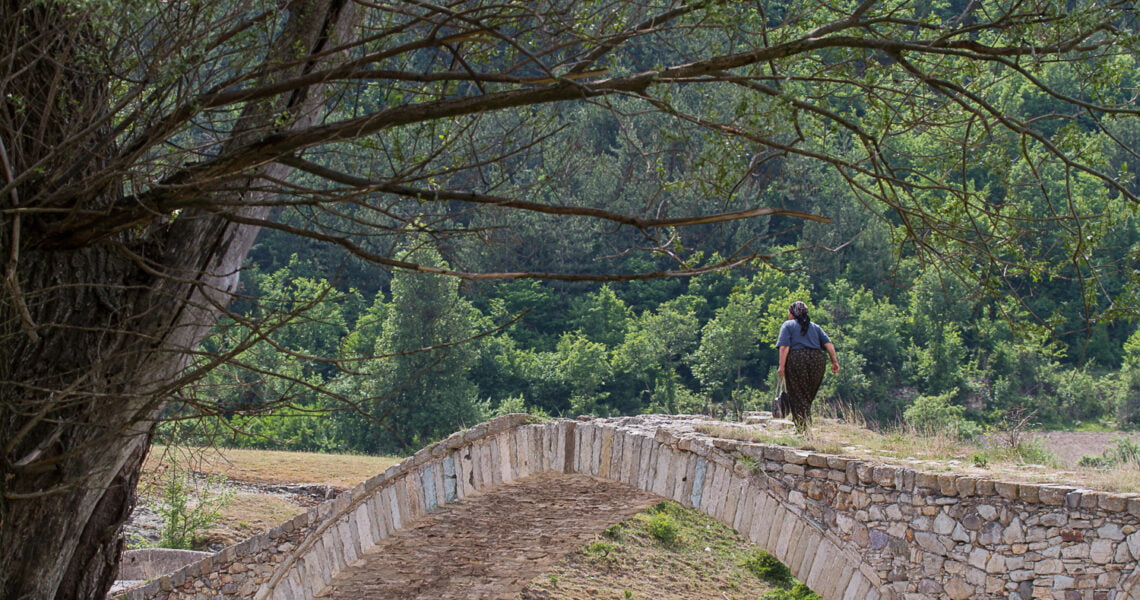
Track down the remnants of Thracian culture in the countryside, as well as the contemporary Pomak culture, the original inhabitants of these mountains.

Rest beside the picture-perfect rivers such as the Arda, Byala Reka and Krumovitsa. Black Storks are almost guaranteed, Levant’s Sparrowhawks, Rollers, Bee-eaters, various species of snakes, rare wildflowers and butterflies are also in the cards.

Various extremely localised plants and animals occur in the Eastern Rhodopes could be the specific target of your trip: Haberlea, Pontic Fritillary, Bulgarian Emerald, Small Bath White, Jackal, Marbled Polecat, Dahl’s Whip Snake or Sand Boa – The list is endless.

Go search the recently reintroduced animals in the mountains, like tarpans (koniks), European Bison and Red Deer.

There are various photo hides for wildlife photography, including, vultures, eagles and, with luck jackals.

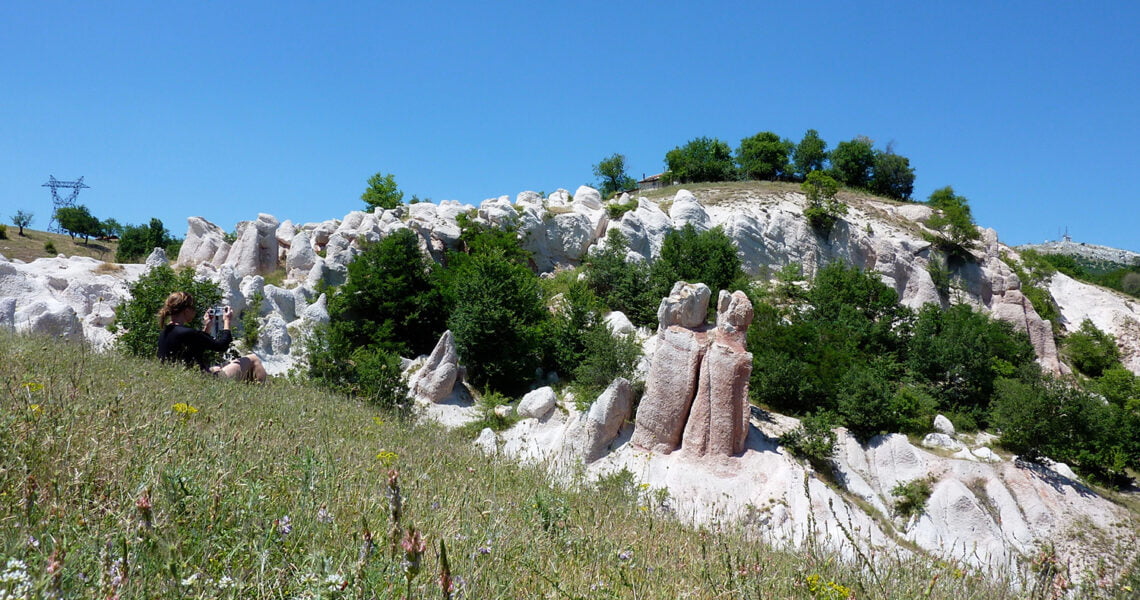
Enjoy the wide variety of geological features, such as calderas, columnar basalts and stone mushrooms.

Visit the steppes with the adorable susliks and their fearsome predator, the Eastern Imperial Eagle.

Search for south-eastern orchids like the Turkish Helleborine and the Balkan Lizard Orchid.





Birds, butterflies and wildflowers – The flora and fauna of the Rhodope Mountains
Flora
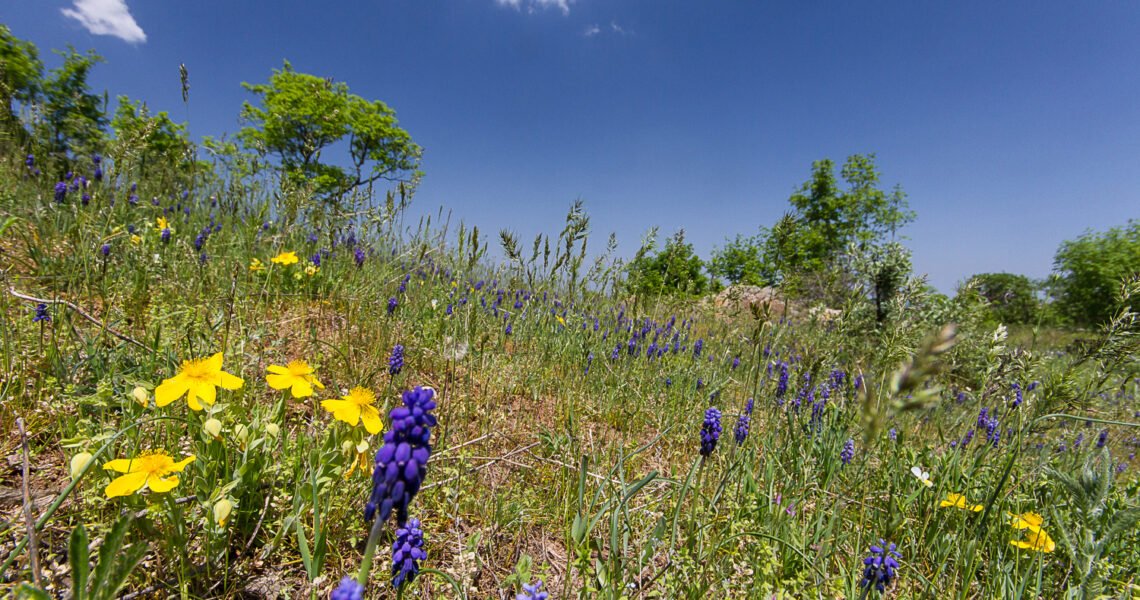
The slopes of the Eastern Rhodopes are very flowery in spring. The beautiful drifts of Grape Hyacinths, Peacock Anemones and Perfoliate Alexander’s are superb, but not always very diverse. There are a number of botanical hotspots in the region, and new ones are discovered annually. Some unique species are the endemic Rhodope Lily and the rock-dwelling Haberlea (see top 10 species). Both are rare and localised. Much more conspicuous are the Christ-thorn bushes, with their typical zigzag branches. It is the larval food plant of the splendid Little Tiger Blue butterfly (see also top 10). The Purple Clematis winds itself in its branches. In river beds the parasitic Rhodopean Toothwort is a must-see for wildflower lovers.
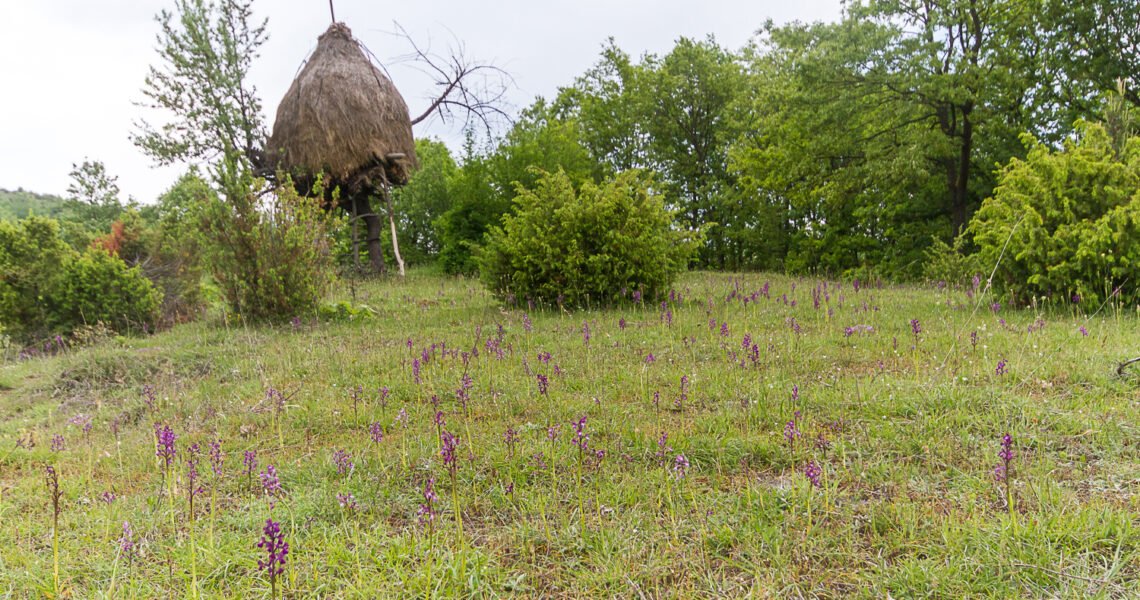
Orchids are widespread in the hillsides and include a number of southern and Eastern rarities, such as Eastern Lizard, Mammose, Horned Woodcock and Pink Butterfly orchids and Turkish Helleborine.

Birds
If the Eastern Rhodopes is one thing above everything else, it is a region for birdwatchers. Due to the wild landscape and position at a crossroads of temperate woodlands, eastern steppes and Mediterranean scrublands, the diversity is immense. Many bird species are widespread across the region, but often in low numbers, making birdwatching both challenging and rewarding.

The Eastern Rhodopes is, together with the Greek Dadia on the other side of the border, considered the European region with the largest diversity of raptors. Griffon, Black and Egyptian Vultures are all present, as are Golden, Eastern Imperial, Lesser Spotted, Short-toed and Booted Eagles.
Even richer is the community of songbirds in the scrublands on the slopes. hills. Sombre Tit, Masked Shrike, Western Rock Nuthatch, Eastern Olivaceous, Eastern Orphean, Olive-Tree, Barred and Subalpine Warblers, Cirl, Ortolan and Black-headed Buntings – the list is long. A full list is available as a download on the guidebook webpage.
Reptiles and amphibians
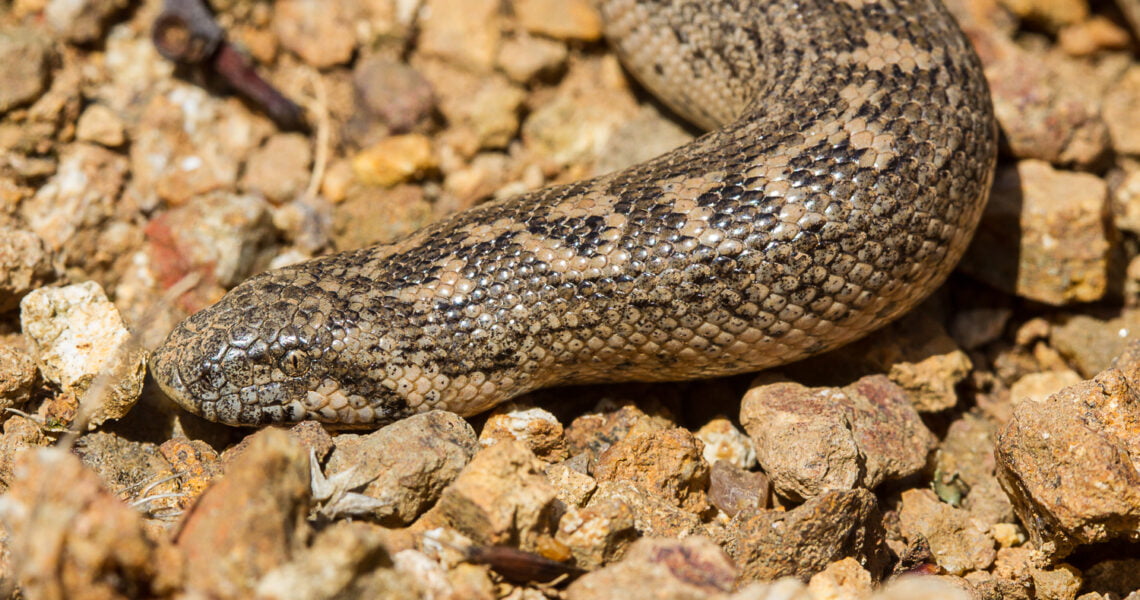
The southern Balkans, including the Eastern Rhodopes are the European hotspot for reptiles and amphibians. Some are really easy to find. In the forests, two tortoises, Herman’s and Spur-thighed, are easily seen and heard (they are very noisy in the leaf litter). In the rivers, European Pond Terrapin and Balkan Terrapin are frequent. Two big lizards are common throughout – the Green Lizard (with blue-throated males) and Three-lined Lizard (with yellow-throated males). Less conspicuous but still widespread are Kotschy’s Gecko, the very large, legless European Glass Lizard and many snakes, including the rare and spectacular Nose-horned Viper and the bulky Sand Boa.
The amphibian life is equally proliferous. Yellow-bellied Toads are common in small puddles in the woodlands. Marsh Frogs and Green Toads are common along the rivers and Tree Frogs in the marshes.

Butterflies and dragonflies
Few butterfly and dragonfly lovers have explored the Eastern Rhodopes as yet. Generally speaking, there are more butterflies in the higher mountains of the Western Rhodopes and there are more dragonflies in the coastal zones with the larger wetlands.
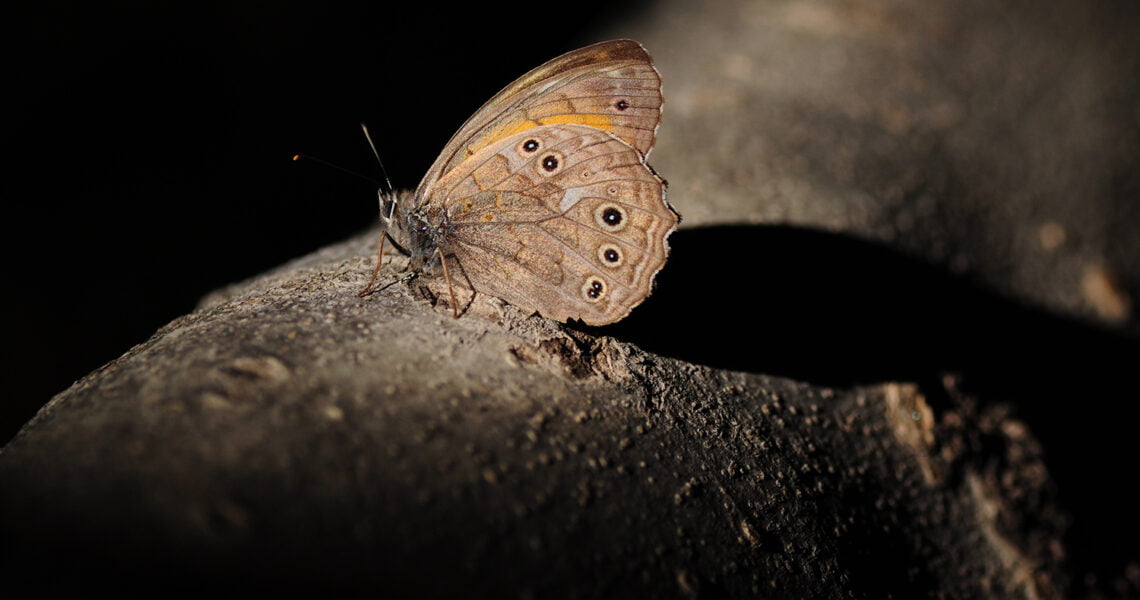
This being said, the diversity of the Eastern Rhodopes remains impressive. Widespread butterflies like Marsh Fritillary, Clouded Apollo, Silver-studded Blue, Eastern Festoon and Silver-washed Fritillary are very common. Sought-after species include the Small Bath White, Little Tiger Blue (common here) and Lattice Brown.
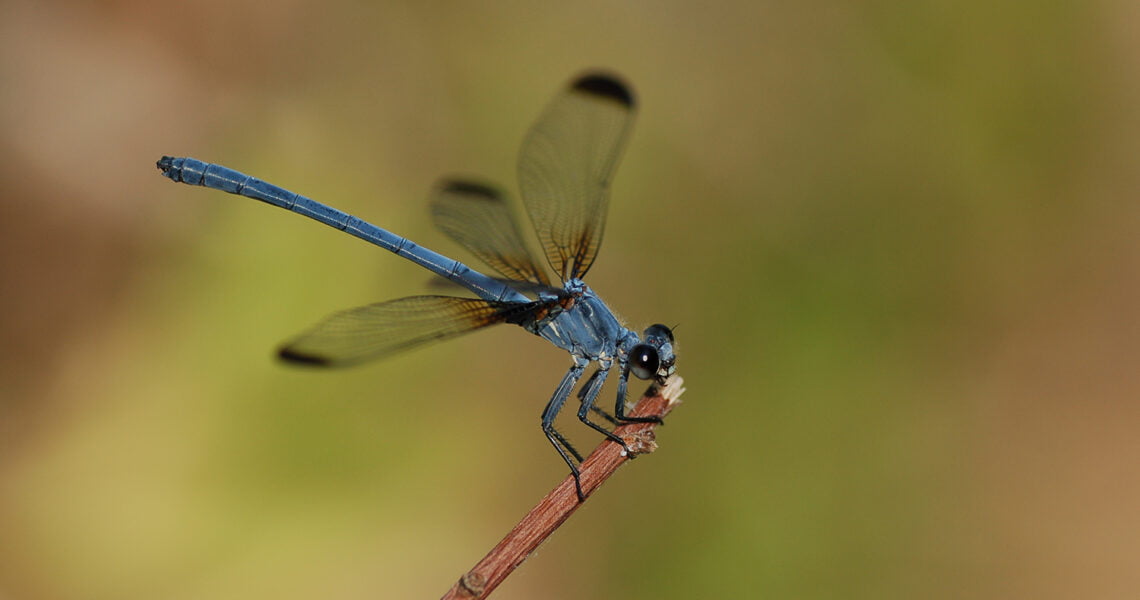
Among the dragonflies are several rarities too. The Bulgarian Emerald is restricted to just a few rivers in the southern Balkans and therefore the greatest specialty of the Eastern Rhodopes. Other southeastern specialties include Odalisque, Balkan Emerald, Eastern Spectre and Balkan Goldenring.

Top 10 species
Ten superb plant and animal species of the Eastern Rhodopes.
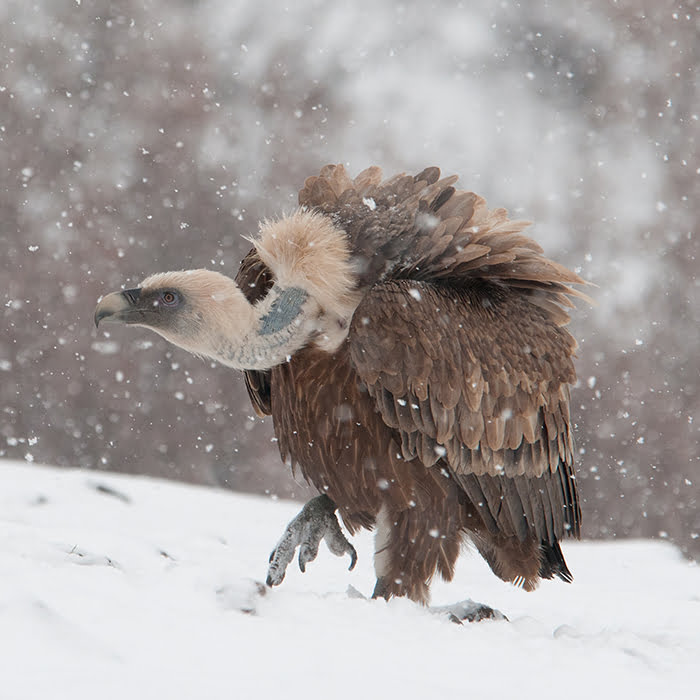
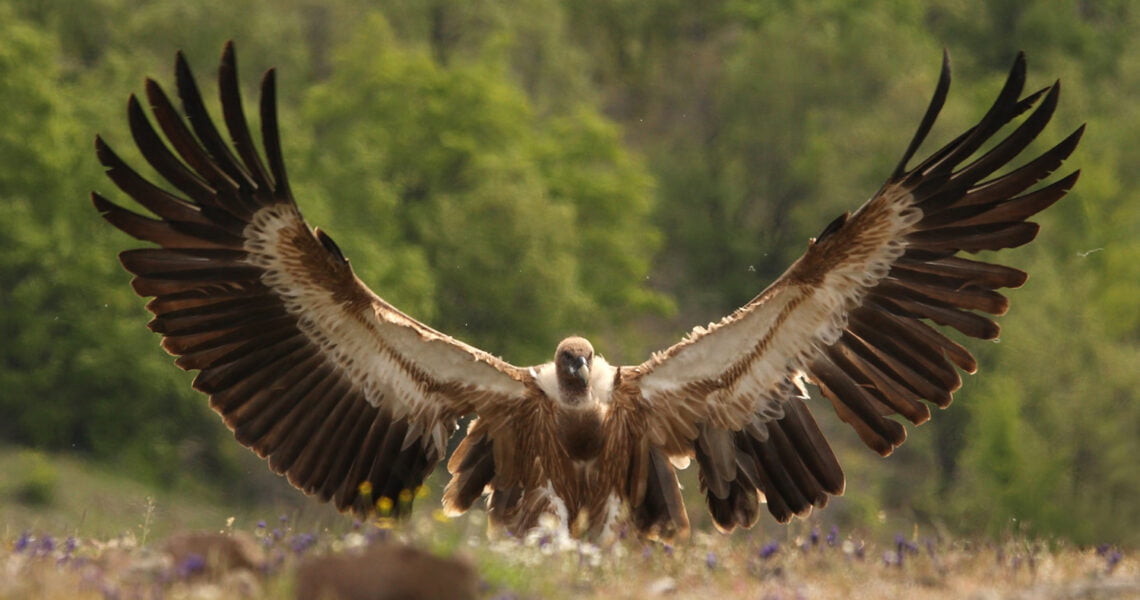
The Eastern Rhodopes have one of the few thriving populations of Griffon (and Egyptian) Vultures of Eastern Europe. The Black Vulture is present too, but breeds on the Greek side of the mountains.
A beautiful bird with a small distribution, here at the northern limit of its range.

A very common and visible animal, just like its look-alike, the Spur-thighed Tortoise.

A beautiful endemic of the Rhodope Mountains
An element of the the Turkish flora, this pretty orchid reaches its northwestern limit in the Eastern Rhodopes.

This little butterfly is common, conspicuous and beautiful in the scrubland. The caterpillars live on Christ Thorn.

An extremely rare dragonfly that is restricted to just a few river valleys in the Bulgarian-Turkish border area.

Europe’s only relative of the famous boa snakes.

One of the few plant species in the continent that survived all the ice ages. This relict from the tertiary grows on north-facing slopes and is a Rhodopi endemic.
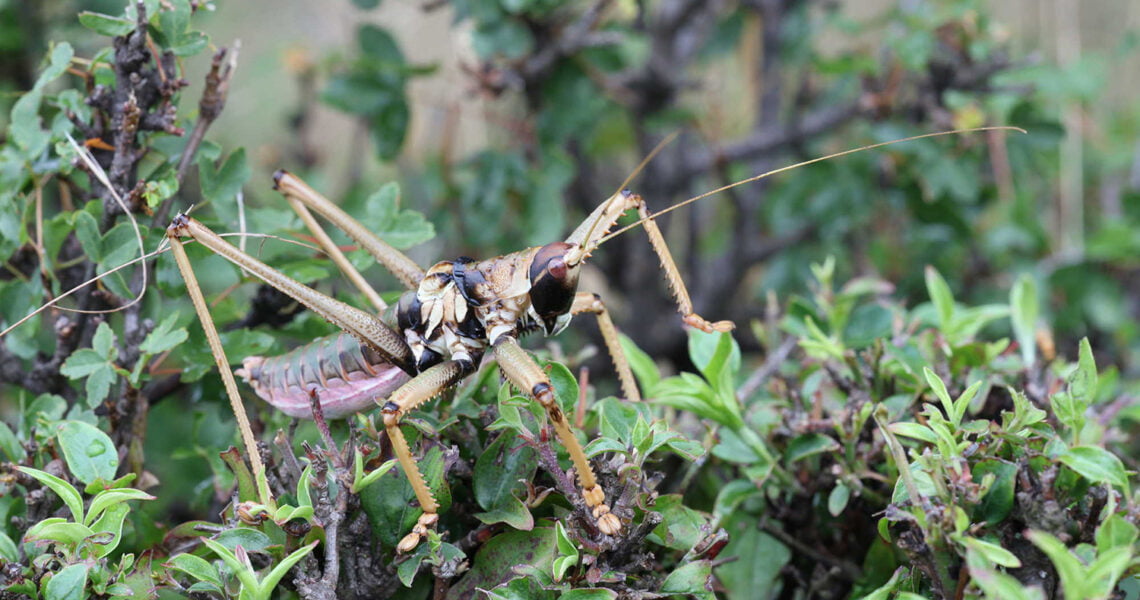
Considered Europe’s largest insect – not dangerous, but a very impressive beast.





Routes and practicalities
Like much of Eastern Europe, access into the field is easy. Fencing and barbed wire is the rare exception, not the rule like so many places in the west. However, there are very few trails although good habitat is everywhere right along the roadside. This makes an exploration of the Eastern Rhodopes at once both easy and difficult. The few roads that connect the villages in these sparsely populated mountains are the most logical points of departure, and the few protected sites the obvious first stops on a visit.
Fortunately, there are guides and a visitors’ centre in Madzharovo that will help you on your way. And of course, the best routes, both car and walking routes, are described in our Crossbill guidebook on the Eastern Rhodopes.
Sustainable tourism
Nature-based tourism is actively encouraged as a means to create a sustainable future for both people and the environment in the Eastern Rhodopes. Threats to the area are mainly related to land abandonment. Much wildlife is associated with old forms of land use that are disappearing. Also, large infrastructural projects such as damming of rivers and the erection of ill-considered wind turbines on bird migration routes are a danger.
Your visit to the region is in and of itself supporting of nature conservation, as it gives a sustainable economic value to nature and wildlife, which is an incentive for its preservation.
Do’s
- Buy local products from the shepherds, farmers and other locals. It is easy, always surprising and it supports traditional land use.
- Support the local ecotourism community by staying in their guest houses, hiring their guides, booking a bird hides, etcetera.
- Visit the nature conservation centre in Madzharovo, talk to the people there and see in what other ways you can support.
- In general, show that you have come for wildlife and always be friendly to local people, in other words be an ambassador of nature tourism.
Don’ts
- Obviously, don’t disturb wildlife. Especially the larger mammals and raptors are easily spooked, so keep a low profile.
- Be careful when driving. Tortoises, snakes, lizards commonly rest on the road and are easily run over. Driving slow helps you to avoid collision and will also offer good viewing options. An added advantage is that the many potholes are easier to avoid.
The book
The Crossbill Guides are the most comprehensive nature travel guides available. Each Crossbill Guide covers in depth descriptions on landscape, habitats, geology and all the species groups, and links these to routes where this can be seen.
These routes are typically a mixture of walking routes and car routes with stops and short walks. Combined, these routes cover all the sites for birdwatching, butterflies, dragonflies, plants, mammals and reptiles. They are also set out to give you the finest examples of the ecosystems and geological features. In short, everything for nature lovers.
The Crossbill Guide that covers the Eastern Rhodopes also describes the adjacent region of Thrace in North-East Greece. In short, it contains:
- 256 pages
- 10 detailed routes and 13 additional sites in the Bulgarian Eastern Rhodopes (plus 8 routes and 10 sites in Greece)
- detailed information on landscape, ecology, geology, landscape history, flora and fauna.
- Where to watch birds information
- Tips for wildlife watching and finding orchids
Our partners
Rewilding Rhodopes Foundation is a Bulgarian Foundation, aiming at the greener future for the Rhodopes. The main objective is to develop sustainable initiatives which promote and combine nature conservation, green business and education.
The Rhodope Mountains area, with its mosaic of open landscapes, oak and beech forests, grasslands and rivers, as well as rocky slopes and cliffs, has become one of the most exciting wild areas in South-Eastern Europe. An area mostly regulated by natural ecological processes, in which the wildlife species thrive in their natural densities. This new, wilder dimension, in combination with some of the old cultural traditions and local products from here, has become the basis for creating new sources of income and pride for the people who live here, and for Bulgaria as a country.
Rewilding Rhodopes work for the promotion of the natural grazing, rewilding and restoration of the essential ecological processes in the Rhodopes. As a result we are is now witnessing increasing numbers of keystone herbivores such as red and fallow deer, European bison and horses in the Rhodope Mountains rewilding landscape. The increased wildlife numbers and the reintroduced native species will provide a basis for a unique and varied tourism offer firmly built on these assets. Rhodope Mountains has become one of the best places in Europe for raptors and large herbivores watching.
For more information visit www.rewildingeurope.com

Gabi Tours is a network of local entrepreneurs working for the sustainable future of the Eastern Rhodope Mountains and consists of tourism professionals and experts on wildlife and nature management.
The project originated from the New Thracian Gold initiative which ran from 2009 to 2014 and which was aiming at a greener future for the Eastern Rhodopes. The main objective was to develop sustainable initiatives which promote and combine organic farming, nature conservation and ecotourism.
Gabi Tours continues the New Thracian Gold ethos and offers outdoor activities (hiking, kayaking, mountain biking, ski & snowboarding), nature tours (general nature, but also specialized trips for bird watching, butterflies, reptiles, bison, deer, suslik, etc.) and wildlife photography from a hide (vultures, eagles, jackal, wolf, fox) as well as accommodation.
For more information visit www.rhodopemountains.eu
The Old Nest is a guesthouse in Madharovo in the Eastern Rhodope Mountains. The historic, 200 year old building as well as an outbuilding, known as the “Old Barn”, were fully renovated to the highest standards in 2018 and can cater for up to 20 guests. Visitors can enjoy the local cuisine which is produced on site or sourced from local farmers. Griffon and Egyptian Vultures can often be seen from the terrace, the “Chardak”, of the Old Nest.
The guesthouse is ideally located to explore the nature and wildlife of the Rhodopes and the Arda river and visit the Thracian monuments. Your host Sergey, a nature and wildlife photographer offers tailor-made trekking and hiking itineraries, kayaking adventures on the Arda river and can also arrange culinary workshops.
Sergey also runs Nature Travel and offers bird-watching and bird-photography tours in Bulgaria. Bird-hides are located in Madharovo (eastern Rhodope Mountains), Suha reka (north-east Bulgaria) and the Poda Lagoon at the Black Sea.
For more information visit www.theoldnest.com and www.naturetravel.eu.
The authors
Dirk Hilbers (NL, 1976), set up the Crossbill Guides Foundation and travels Europe to research the guidebooks. This is the 17th guide he worked on. As a biologist, when not in the field, Dirk Hilbers is a free-lance writer and lecturer in the field of nature education and environmental ethics.

Alex Tabak (NL, 1976) is an ecologist specialised in field surveys of flora, vegetation, reptiles, amphibians and butterflies. He works partly in the Netherlands en partly in Greece.

Albert Vliegenthart (NL, 1975) works at de Vlinderstichting – the Dutch Butterfly Conservency, and is specialised in butterflies and dragonflies, next to being a keen birdwatcher.

Herman Dierickx (Be, 1958) is an author who has specialised in writing articles on environmental issues, nature and nature conservation in Belgium.